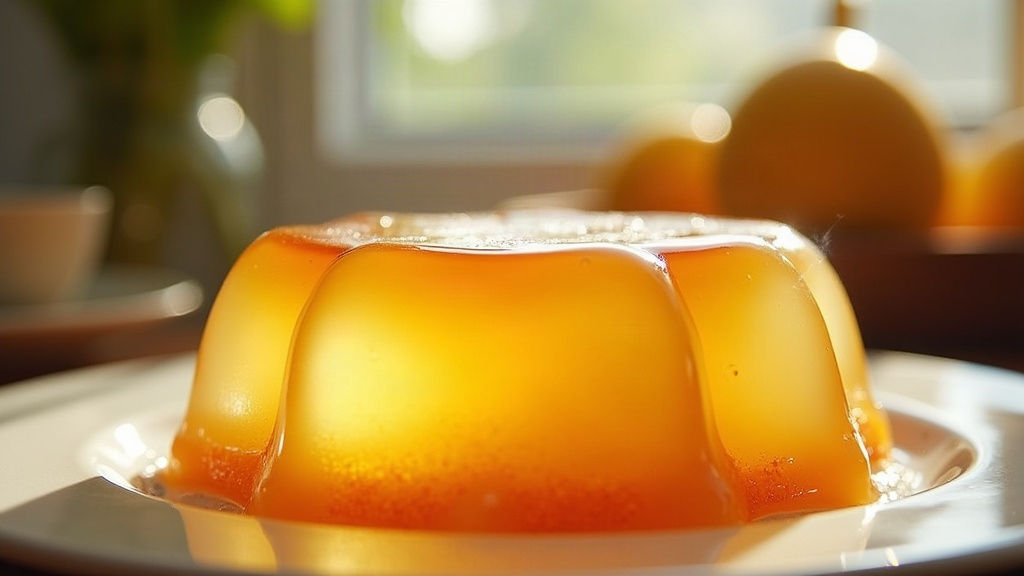
This piece walks through the coastal tradition behind baking soda – honey gelatin — its history, its ingredients, and the questions men in their fifties and sixties are asking about it. No promises here, just context worth reading before bedtime.
Editors who cover men’s routines keep hearing the same handful of observations. Here are four that come up again and again.
Many men mention that the hour before bed has quietly become a routine they think more about — including a mention of baking soda - honey gelatin as part of that wind-down.
Conversations about rest, not just hours slept, seem to surface more in casual chats among men past fifty.
Some readers say they're revisiting routines they dropped decades ago, out of simple curiosity.
There's more interest in understanding traditions than in quick fixes — a shift some editors find notable.
Across the sources we reviewed, the same three-part structure shows up. Here it is, laid out plainly.
The ritual is almost always placed in a specific stretch of the evening, not scattered through the day.
Sources emphasize a slow, repeated preparation rather than a one-time action.
Most accounts stress reading about the tradition first — understanding where it came from before deciding anything.
A few claims circulate often. We lined them up against what the original accounts describe.
It’s a modern wellness trend invented for social media.
Written references to similar coastal evening preparations go back generations in some Mediterranean households.
Baking soda – honey gelatin is a single fixed recipe everyone follows the same way.
Descriptions vary by region and household; there isn’t one universal formula in the sources reviewed.
It’s presented as a treatment for a medical condition.
Historical accounts frame it as a household ritual, not a medical intervention — and it isn’t one here either.
Coastal communities in parts of the Mediterranean have long histories of evening preparations built around simple pantry staples. Baking soda – honey gelatin is one such combination, passed along more through family habit than written recipe. Older accounts describe it as part of a broader evening pattern — winding down, preparing something by hand, and treating the process itself as the point, not just the result.
What stands out in older writing isn’t the ingredients themselves, but the ritual around them — a slow, repeated evening pause that predates modern routines by generations.
Sources describe specific ratios and preparations; substituting freely changes what's actually being made.
Nothing here is meant to identify, treat, or explain a health condition.
Men managing digestive, cardiac, or metabolic conditions should talk to a healthcare provider before changing any routine.
Household ingredients can still interact with prescriptions — this is a conversation for a pharmacist or doctor.
A long history doesn't equal clinical proof; the two are different kinds of claims.
What's described in older accounts may not translate the same way for every household today.
Illustrative composite examples. Individual results vary. Not a guarantee.
No. It’s discussed here as a household tradition, not a treatment, therapy, or cure for any condition.
Accounts trace it to evening habits in some Mediterranean coastal households, passed down informally over generations.
No single standardized version appears across the sources we reviewed — descriptions vary by region and family.
No. Anyone considering a change to their routine, especially with existing health conditions, should speak with a healthcare professional first.
This article discusses tradition and historical practice, not clinical studies or medical evidence.
Editorial interest seems tied to broader curiosity about evening routines and older household habits at this stage of life.
No. Nothing here promises or implies a specific result, and none should be inferred.
The full report goes deeper into the history, the ingredients, and the questions worth asking before you consider anything for yourself.
Advertising Disclosure: This page contains sponsored content and affiliate links. We may receive compensation if you engage with certain links, products, or offers referenced on this page. This does not affect the price you pay.
Content Disclaimer: This content is for educational and informational purposes only. It has not been evaluated by the FDA. Nothing on this page is intended to diagnose, treat, cure, or prevent any disease. Always consult a qualified healthcare professional before making changes to your health routine.
Results Disclaimer: Individual results vary. Testimonials and examples shared on this page are illustrative and are not a guarantee of any outcome.
© 2026 · All Rights Reserved · /contact/